The Quiet Tea Masters of Uji and Arashiyama
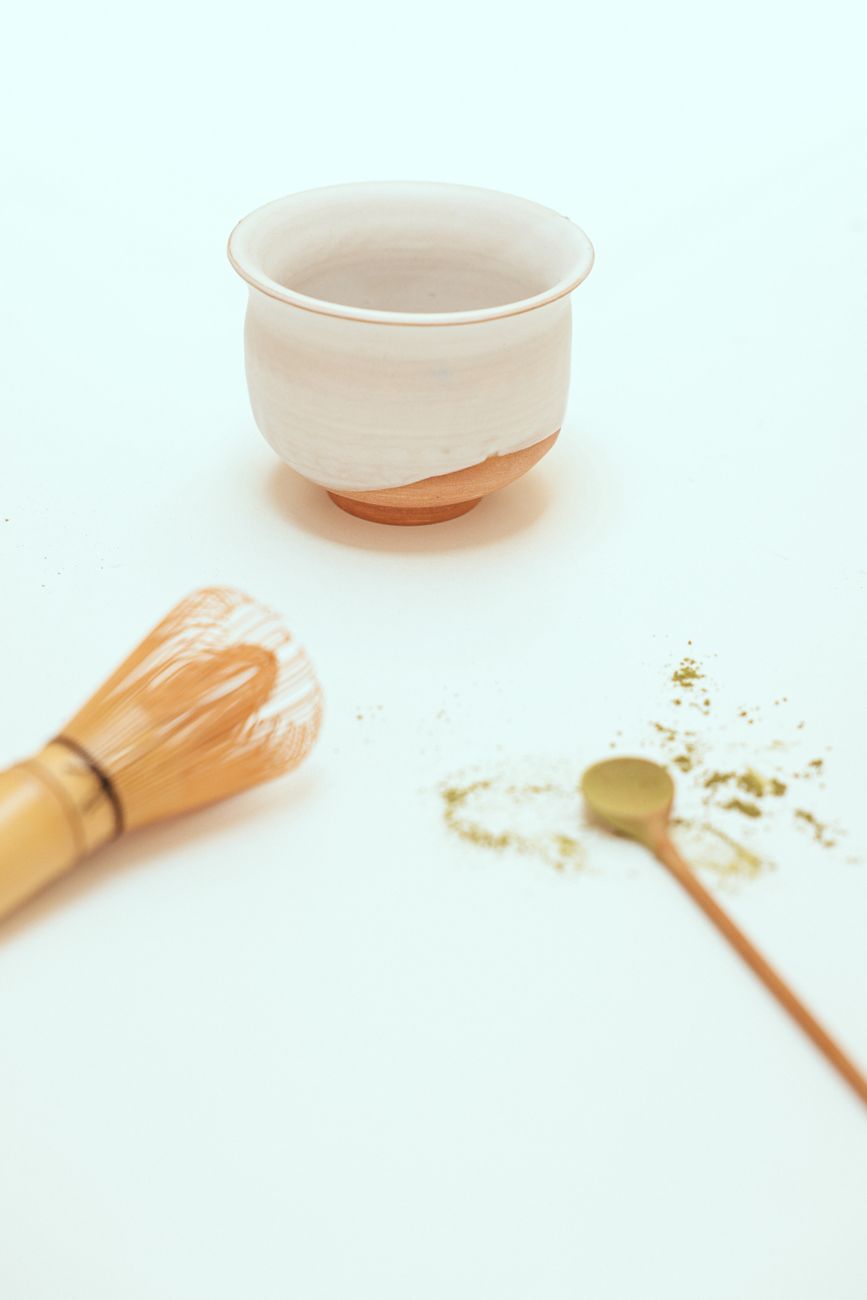
"Within the small, four-and-a-half tatami room, the boiling iron kettle provides the solitary sound: a wind blowing softly through winter pines."
The Soil of Uji
Just thirty kilometers south of Kyoto's historic center lies Uji, widely regarded as the cradle of Japanese green tea cultivation. Here, the moist morning mist generated by the Uji River shields the young tea leaves from intense sun exposure, cultivating the rich amino acid profile that manifests as unmatched umami.
We sat with Master Kenjiro, whose family has nurtured the same stepped tea terraces since the Edo period. In his rustic processing chamber, stone mills turned at an agonizingly steady rate of one rotation per second, yielding barely forty grams of emerald matcha powder every hour.
The Aesthetics of Wabi-Sabi
The tea ceremony—Chanoyu—is fundamentally an exercise in mindful presence and temporary harmony. As celebrated by 16th-century tea master Sen no Rikyu, beauty is found not in opulent symmetry, but in weathered imperfections: an unglazed Bizen bowl, the slight tilt of a wild iris in a bronze vase, the crack repaired with gold lacquer (kintsugi).
- Harmony (Wa): Mutual openness between host, guest, and surrounding nature.
- Respect (Kei): Equal reverence for all living beings, shedding worldly status at the tea room threshold.
- Purity (Sei): Cleansing both physical utensils and interior thoughts through deliberate motion.
- Tranquility (Jaku): The inner calm born of profound aesthetic realization.
Curating Your Kyoto Visit
Rather than crowding into popular temple grounds during midday, visitors seeking authentic contemplation are advised to schedule private garden viewings at dawn in northern Daitoku-ji or stay in a traditional machiya townhouse along the Shirakawa canal.
Commission a Kyoto Cultural Passage
Access private tea masters, temple gardens, and century-old ryokans with 111111’s bespoke travel advisory.
Inquire With Advisors